
GDPR Compliance for Small Business: A Plain-English Guide 2026
Nobody starts a bakery dreaming about data protection forms. Nobody opens a marketing agency hoping to spend Friday afternoons reviewing privacy policies. And yet, here we are. A single complaint from a customer about how you handle their email address can spiral into a fine that wipes out a month’s profit. I’ve spoken to too many small business owners who thought GDPR was something that only applied to big tech companies. Until a letter arrived. This guide isn’t legal advice, and it’s not written in the kind of language that needs a law degree to decode. It’s the practical, human explanation of what GDPR expects from your small business in 2026 and how to get there without losing your mind.
What Exactly Is GDPR and Why Should You Care?
GDPR stands for General Data Protection Regulation. It’s a set of rules created by the European Union that governs how organizations collect, store, and use personal data. Personal data means anything that can identify a living person. A name, an email address, a phone number, an IP address, even a cookie that tracks browsing habits. If you have customers or website visitors in the EU, or if you monitor their behavior, these rules apply to you. Even if your business is based in another country.
The reason you should care isn’t just the fines, though those can reach into the tens of thousands for a small business. The deeper reason is trust. Your customers hand you their information assuming you’ll protect it. When that trust breaks, they leave. And they tell their friends. GDPR is essentially a framework for earning and keeping that trust. It forces you to be honest, careful, and intentional about the data you hold. That’s not a bad thing for a business trying to build a loyal customer base.
The Day a Simple Email Landed a Small Shop in Trouble
Let me tell you about a florist I know in Manchester. She had a simple website with a contact form and a newsletter signup box. People would enter their email to get a discount code. She never thought much about it. Then a customer from France asked to see what data she had on him. She couldn’t find the email, couldn’t remember where it was stored, and took three weeks to reply. He filed a complaint. The local data protection authority investigated and found that her newsletter list had no consent records, her website had no privacy notice, and her laptop wasn’t even password-protected. The fine wasn’t millions, but it was enough to make her close for a month. The saddest part? All of it was fixable with a few honest days of work.
Who Needs to Follow GDPR Rules?
If you’re a small business that handles personal data of people in the EU, GDPR applies to you. It doesn’t matter if you’re a solo freelance web designer in Canada with a client in Berlin. It doesn’t matter if you run a tiny online store shipping handmade candles to Spain. The regulation follows the data, not the business address. There are a few exceptions for very small-scale household activities, but if you’re running any kind of commercial operation, you’re in scope.
Even after Brexit, the UK has its own version called UK GDPR, which mirrors the EU rules closely. So if you deal with UK residents, similar obligations apply. Many other countries have adopted GDPR-style privacy laws too. Getting your house in order for GDPR often means you’re ready for California’s CPRA, Canada’s PIPEDA, and whatever comes next. It’s a global baseline now.
The Core Principles of GDPR in Plain Words
The regulation is built on a handful of simple ideas. If you understand these, the specific steps make more sense.
You Can’t Just Collect Anything
The first principle is lawfulness, fairness, and transparency. You need a valid reason to collect someone’s data. GDPR lists six legal bases, and for most small businesses, the relevant ones are consent or legitimate interest. Consent means the person clearly agreed, with a positive action, to you using their data for a specific purpose. No pre-ticked boxes. No hiding it in a long terms page. Legitimate interest means you have a good reason that doesn’t override the person’s rights, like sending an invoice to a client who bought from you. Fairness means you don’t use the data in ways that would surprise or harm the person. Transparency means you explain it all in clear language.
Be Honest About What You’re Doing
People have the right to know what you’re doing with their information. Your privacy notice should answer simple questions. What are you collecting? Why? How long do you keep it? Who else gets it? Can they ask you to delete it? And how do they contact you? Write this as if you’re explaining it to a neighbor over coffee, not a judge.
Keep Data Safe and Don’t Hoard It
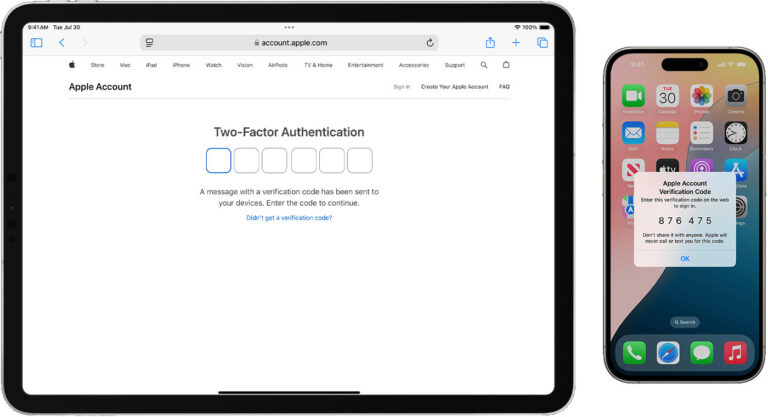
You must protect the data you hold with appropriate security measures. That doesn’t mean you need military-grade encryption for a yoga studio’s mailing list, but you do need basics like strong passwords, two-factor authentication, and regular software updates. You also can’t keep data forever. If you collected an email for a contest three years ago and the contest is long over, delete it. Only hold onto what you actually need, for as long as you need it. This principle is called storage limitation and data minimization, and it’s one of the simplest ways to reduce your risk.
A Practical 7-Step Plan to Get Your Small Business GDPR-Ready
Reading the regulation itself is a cure for insomnia. What you need is a practical checklist. Here’s one built for a small business in 2026.
1. Map Your Data
Before you can protect anything, you have to know what you have. Walk through your business and list every place personal data lives. Your email inbox. Your accounting software. Your website database. That spreadsheet of client birthdays you keep for loyalty discounts. The CRM tool. The backup drive in the drawer. For each, note what kind of data it holds, where it’s stored, and who has access. This exercise alone often reveals surprises. You might find a file of old customer inquiries from five years ago that nobody remembers. Mapping your data takes a few hours, and it gives you the map you’ll use for everything else.
2. Update Your Privacy Notice
Every business website needs a privacy notice that’s easy to find and easy to read. Not a wall of legal text copied from a template you don’t understand. Write it yourself first, then have a professional review it if your budget allows. Explain what data you collect, why you need it, how long you keep it, and who you share it with. Include clear instructions on how someone can ask for a copy of their data or request deletion. Make sure you actually follow what the notice says. A privacy notice that lies is worse than no notice at all.
3. Get Consent Right
If you rely on consent for newsletters, marketing emails, or cookies, review how you ask for it. The request must be separate from other terms. A pre-ticked box is not consent. Silence is not consent. Continuing to browse is not explicit consent for all tracking. Make it easy to withdraw consent too. Every marketing email should have a clear unsubscribe link that works instantly. Cookie banners should let people reject non-essential cookies as easily as they accept them. A clean consent setup shows your customers you respect their choices, and it keeps you on the right side of the regulation.
4. Secure Your Digital House
Security is a core GDPR requirement. You don’t need an enterprise budget to get the basics right. Use a password manager and enforce strong, unique passwords for every account that accesses customer data. Turn on multi-factor authentication everywhere you can. Encrypt your laptop hard drives and your backup drives. Keep your website platform, plugins, and any other software updated, because old versions are a hacker’s favorite door. Limit who can access sensitive data. Your part-time assistant probably doesn’t need to see client tax IDs. These steps aren’t just GDPR compliance; they’re common sense protection against the ransomware that puts small businesses under.
5. Train Your Team
Your security is only as strong as your most distracted employee. Hold a short session, even just a lunch meeting, where you explain the basics. What personal data looks like in your business. Why you don’t forward client emails to your personal account. What to do if they get a suspicious email asking for customer records. Make sure everyone knows who to tell if they accidentally send an attachment to the wrong person. This isn’t about scaring people. It’s about building a shared sense of responsibility. A little awareness goes a long way.
6. Have a Breach Plan
GDPR requires you to report certain personal data breaches to the relevant authority within 72 hours of becoming aware of them. That clock ticks fast. You don’t want to be figuring out who to call while your website is down. Write a simple one-page plan. What counts as a breach in your business? Who do you tell internally? Who contacts the authority if needed? How do you notify affected customers? Keep this plan somewhere accessible, and test it with a dry run once a year. The goal is to reduce panic when something real happens.
7. Manage Third-Party Vendors
The tools you use are called data processors under GDPR. Your email marketing platform, your cloud storage, your payroll provider. You are still responsible for the data they handle on your behalf. Review the vendors that touch personal data. Do you have a data processing agreement with them? Most reputable providers offer one and make it easy to accept. If a vendor can’t explain how they protect data, consider switching. The relationship should be transparent, and you should know where your data physically lives. This step protects you from inheriting someone else’s breach.
Common GDPR Mistakes Small Businesses Still Make in 2026
I see the same missteps over and over. The first is thinking that because you’re small, nobody will bother you. Regulators have become more active in chasing small businesses, partly because the easy cases make good examples. Another mistake is buying a generic privacy policy template and never customizing it. If your policy mentions services you don’t use, or misses ones you do, it’s not just useless. It’s actively misleading. A third error is keeping data for years because storage is cheap. Old data is a liability. If you don’t need it, delete it. And perhaps the most common mistake is ignoring subject access requests. When a customer asks to see their data, you have one month to respond. Not three months. Not when you get around to it. Set up a simple email address like privacy@yourdomain.com and check it regularly.
Tools That Make GDPR Easier
You don’t have to build everything from scratch. Several tools can lighten the load for a small business. Consent management platforms handle cookie banners and consent records for your website. Privacy policy generators tailored to small businesses give you a solid starting draft, though you should still read and adjust it. Data mapping tools help you visualize where information flows. Secure cloud storage with built-in encryption takes some of the technical burden off your shoulders. And a good password manager with shared vaults ensures that your team isn’t storing customer passwords in a text file on the desktop. The investment in these tools is modest compared to the cost of a violation.
The Real Cost of Ignoring GDPR
Fines get the headlines, but they’re not the only sting. The maximum penalties can reach up to twenty million euros or four percent of annual global turnover, whichever is higher. For a small business, that’s devastating, but regulators usually apply proportionality. Still, even a lower-tier fine can be a five-figure hit. Beyond the financial penalty, there’s the investigation itself. You’ll spend weeks answering questions and pulling records, time you’re not spending on your business. And then there’s the damage to your reputation. A data breach that exposes customer emails because you didn’t have basic security in place is hard to explain away. Competitors notice. Customers lose faith. The quiet, unsexy work of compliance is far cheaper.
Conclusion
GDPR compliance for a small business in 2026 isn’t about perfection. It’s about showing that you care and that you’ve made a genuine effort. You don’t need a legal team on retainer. You need a clear understanding of what data you hold, a readable privacy notice, honest consent practices, basic security measures, and a plan for when things go wrong. Start with the data map. That alone will clarify the rest. The florist in Manchester eventually rebuilt her business, this time with proper practices, and she told me the strangest thing happened. Her customers started mentioning how much they appreciated her clear privacy page. It became a trust signal, not a chore. Your small business can get there too, one straightforward step at a time. And you’ll sleep better knowing you did.