State Data Breach Notification Laws: What Your Business Must Do
A few years ago, the owner of a small chain of yoga studios called me in a panic. Someone had broken into their booking system and accessed client records. Names, email addresses, and in a few cases, credit card expiry dates were exposed. She had no idea what to do. She thought fixing the hole and moving on was enough. Then her lawyer mentioned state notification laws. She had customers in seven states. Each state had different rules about who to tell, when to tell them, and what to say. She nearly made a costly mistake by staying silent. The truth is, when a data breach hits, the technical fix is only half the battle. The legal obligation to notify the right people quickly is the other half. And for a small business without a compliance department, the patchwork of state laws can feel impossible to navigate.
A Wake-Up Call for Small Businesses
Her story isn’t unusual. Most small business owners assume data breach rules only apply to big corporations. They think a small breach won’t attract attention. The reality is that state attorneys general actively pursue small businesses that fail to notify affected customers. These aren’t just headline-grabbing fines. They can include legal costs, mandatory credit monitoring for victims, and the quiet destruction of your reputation. A local accounting firm in Ohio got hit with a six-figure penalty last year because they waited too long to disclose a breach. They weren’t malicious. They just didn’t know the rules.
The emotional weight matters too. When customers learn their data was exposed and you didn’t tell them promptly, they feel betrayed. They trusted you with their personal details. A delayed or missing notification breaks that trust forever. Some small businesses never recover from the loss of customer confidence, even if they survive the fines. Knowing your obligations isn’t just about compliance. It’s about preserving the relationships you’ve spent years building.
What Exactly Are State Data Breach Notification Laws?
State data breach notification laws are exactly what they sound like. Each state in the United States has passed its own legislation that requires businesses to notify residents when their personal information is compromised in a security breach. As of 2026, all fifty states plus the District of Columbia have such laws. Some territories do as well. There is no single federal standard that covers every business, though certain sectors like healthcare and finance have federal rules too. For most small businesses, the state patchwork is the primary legal framework.
These laws generally share a common structure. They define what types of personal information trigger notification obligations. They specify how quickly you must notify affected individuals and sometimes state regulators. They describe what the notification must contain. And they set out penalties for failing to comply. The differences between states are what make it tricky. A breach that requires notification in California might not require notification in Iowa. The time window to notify might be thirty days in one state and forty-five in another. The definition of personal information itself varies.
No Single Federal Standard
It’s important to understand that while Congress has debated a federal breach notification law, none has passed that covers all businesses. Instead, you must look to the laws of each state where your affected customers live. If you operate only in one state, you’re lucky. You learn that state’s rules and follow them. But if you sell online or serve clients across state lines, you may have to comply with multiple laws simultaneously. The yoga studio owner had to notify individuals under the requirements of seven different state laws, each with its own nuances. That’s the challenge.
What Counts as a Data Breach Under These Laws?
A data breach is broadly defined as unauthorized access to or acquisition of personal information. But the key is the definition of personal information. Every state has its own list, but a common core includes Social Security numbers, driver’s license numbers, financial account numbers with access codes, and medical or health insurance information. Some states add biometric data, such as fingerprints or facial recognition scans. Others include email addresses combined with passwords, or taxpayer identification numbers.
The trigger for notification also varies. Most states require notification only when there is a reasonable belief that the information has been acquired by an unauthorized person. If a laptop is stolen but later recovered and forensic analysis shows no data was accessed, you might not need to notify. But if you can’t determine whether data was taken, many laws require notification anyway. The standard is often access plus risk of harm. You need to assess both.
Personal Information Varies by State
California defines personal information broadly, including medical information, health insurance policy numbers, and even information collected through automated license plate recognition systems. New York includes biometric data and email addresses with security questions and answers. Texas adds dates of birth and mother’s maiden name. Illinois has the Biometric Information Privacy Act, which imposes specific notification and consent rules for biometric data. A small business that uses fingerprint scanners for time clocks needs to pay particular attention to Illinois law. These nuances mean you can’t just assume one definition fits all.
The Notification Requirements: Who, When, and How
Once you confirm a breach requires notification, the clock starts ticking. You must notify affected individuals, and in many cases, state regulators. The timing language varies by state. Many use phrases like “without unreasonable delay” or “in the most expedient time possible.” Some set a hard deadline. Florida, for instance, requires notification within thirty days. Other states allow forty-five or sixty days. A few require notification within a specific number of days after discovery. The common thread is that you must act fast. Procrastination is not an option.
Notification methods are also specified. Written notice by postal mail is the default in most states. Substitute notice is allowed if the cost of mailing exceeds a certain amount or the number of affected individuals is very large. Substitute notice usually means posting on your website and notifying major media outlets. Some states now allow electronic notice if the affected individual has consented to electronic communications. The method matters because it affects how quickly people learn about the breach.
Timing Is Tight
The window is shorter than many small business owners realize. Imagine discovering a breach on a Friday afternoon. You need to investigate, determine scope, prepare notification letters, and perhaps engage legal counsel. If you operate in a state with a thirty-day deadline, that month passes fast. Penalties for late notification can be severe. State attorneys general can impose fines per day, per person, or per violation. The pressure is real.
What the Notice Must Say
The content of the notification is also regulated. Most states require you to describe what happened, the type of personal information involved, and the steps you have taken to contain the breach. You must provide your contact information and advice on what the affected person can do to protect themselves. That often includes recommending credit monitoring or placing a fraud alert. Some states mandate that you offer free credit monitoring services for a certain period. The notice must be written in plain language, not legalese. It should be clear, direct, and helpful.
Key State Laws Every Small Business Should Know
While you need to check the specific laws of each state where you have customers, a few stand out because of their breadth or their aggressive enforcement. California’s law, updated by the California Privacy Rights Act, is one of the strictest. It includes a broad definition of personal information and requires notification to the California Attorney General if more than five hundred residents are affected. New York’s SHIELD Act expands the definition of private information and imposes reasonable security requirements even before a breach occurs. Texas requires notification to the state attorney general within sixty days if more than two hundred and fifty residents are involved.
Illinois has become famous for its Biometric Information Privacy Act, which has generated significant litigation. Even a small breach of biometric data can result in massive legal exposure. Massachusetts has detailed regulations about the content and timing of notifications. Florida and Washington have also been active in enforcement. If you have customers in these states, you should be especially careful. But remember, even smaller states enforce their laws. No state is safe to ignore.
Steps to Take Immediately After Discovering a Breach
When you realize a breach has occurred, the first hours matter. Don’t panic, but move deliberately. The steps are straightforward, and following them can reduce your liability and protect your customers.

First, Stop the Bleeding and Preserve Evidence
Your immediate priority is to stop any ongoing unauthorized access. Disconnect compromised systems from the network. Change passwords. Revoke access keys. But do not destroy evidence. Forensic investigators will need logs, system images, and access records to understand the scope. Shutting down a server hastily without preserving its memory can destroy valuable evidence. Contain the breach without wiping the trail.
Second, Determine the Scope of the Breach
You need to know what data was exposed and how many people are affected. This may require help from an IT professional or a third-party forensic firm. Identify the specific files, databases, or systems that were accessed. Determine the type of information involved. Was it just email addresses, or did the breach include Social Security numbers? The severity of the data dictates your notification obligations. If sensitive financial or health data is involved, your responsibilities multiply.
Third, Notify Legal Counsel and Your Insurance Provider
Do not try to navigate state notification laws alone. Contact a lawyer who understands data breach law. They will help you determine which states’ laws apply and what each requires. Notify your cyber insurance carrier if you have a policy. Many policies include breach response services, covering the cost of forensic investigation, notification, and credit monitoring. Your insurance may also require immediate notice to trigger coverage.
Fourth, Prepare and Send Notifications
Work with your legal counsel to draft the notification letters. They must comply with each applicable state’s content and timing requirements. Send them via the required method. In parallel, notify state regulators if required. The California Attorney General, for example, has an online portal for submitting breach notices. Some states require notice to consumer reporting agencies if a large number of Social Security numbers were exposed.
Fifth, Offer Support and Mitigation Services
Even if not legally required, offering credit monitoring and identity theft protection services can help repair trust. Many state laws require it for certain types of breaches. Even when not required, it’s a gesture that shows you care. Set up a dedicated hotline or email for affected individuals to ask questions. Be transparent. Answer honestly. The human response matters as much as the legal one.
Creating a Data Breach Response Plan Before You Need One
The worst time to figure out what to do is in the middle of a crisis. A written incident response plan turns a chaotic scramble into a manageable process. Your plan should name a response team, even if it’s just you and your office manager. It should list the key contacts: your lawyer, your IT support, your insurance agent, and a forensic firm. It should outline the steps for containment, investigation, notification, and recovery. Review it at least once a year and update contact numbers.
Run a tabletop exercise. Sit down with your team and walk through a hypothetical breach scenario. Who does what first? How do you determine which states have affected residents? This practice exposes gaps in your plan before they become real problems. A little preparation goes a long way.
Penalties and Consequences of Non-Compliance
The penalties for failing to notify vary by state but can be substantial. State attorneys general can seek civil penalties, often on a per-violation or per-day basis. Some states allow affected individuals to sue for damages. The reputational harm is often worse than the fine. A public enforcement action becomes a news story that your customers and competitors will see. The cost of defending an investigation can drain a small business’s resources. Insurance may cover some costs, but not all.
Beyond the legal penalties, non-compliance can hurt your ability to do business. Some commercial contracts now require proof of compliance with breach notification laws. If you can’t show that you handled a past breach correctly, you may lose a client. The ripple effects are real.
How to Stay Ahead of the Patchwork
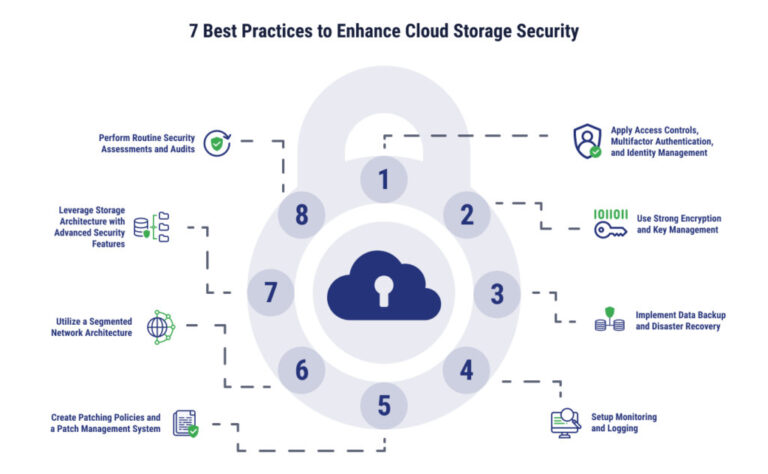
Keeping up with fifty different state laws is daunting, but there are practical ways to manage it. First, work with a law firm that offers a multistate breach notification service. They maintain up-to-date matrices of state requirements and can handle the logistics. Second, invest in cybersecurity basics. Many breaches happen through known vulnerabilities that simple measures like patching, multifactor authentication, and employee training would prevent. Prevention is the best notification strategy.
Third, consider using a standardized privacy framework. The National Institute of Standards and Technology offers a cybersecurity framework that aligns with many state security requirements. Adopting it demonstrates good faith. Fourth, monitor legislative changes. States update their laws regularly. California adds new data categories. Other states shorten notification deadlines. A legal subscription service or your attorney can keep you informed.
Conclusion
The yoga studio owner I mentioned earlier got through her breach. She hired a lawyer, sent the required notifications, and offered credit monitoring. It cost her more than she wanted to spend. But she learned a valuable lesson. State data breach notification laws aren’t abstract. They’re real obligations that kick in the moment your security fails. For a small business, the key is to prepare before the breach, not after. Understand what personal information you hold. Know which states your customers live in. Have a response plan ready. And if the worst happens, act quickly and honestly. The law demands it. Your customers deserve it.