
Cybersecurity Risk Assessment for SMBs: Step-by-Step Guide
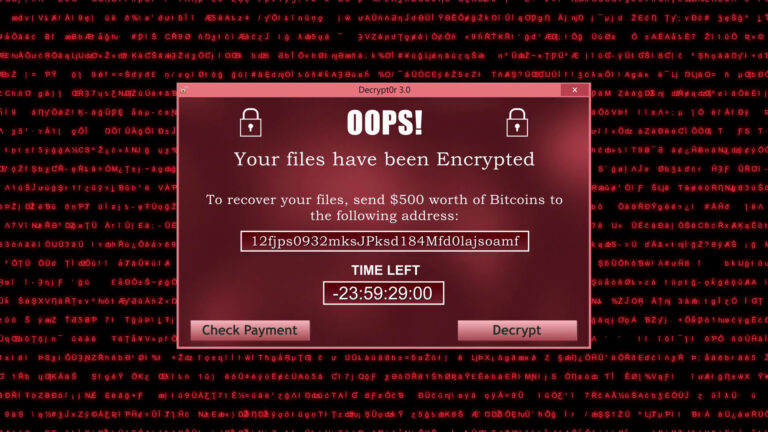
There is a quiet kind of fear that creeps in when you read the news about another small business getting hit by ransomware. You tell yourself, “That won’t be me,” but then a moment later you wonder, “Would I even know if my defenses were weak?” That is exactly where a cybersecurity risk assessment comes in. It sounds formal, maybe even a little intimidating, but at its core it is simply taking a calm, honest look at your business and asking, “What could go wrong, how bad would it be, and what can I do about it right now?” This guide walks you through the entire process in plain, step-by-step fashion. No buzzwords, no scary sales pitches. Just a practical way to understand your risks, prioritize your time, and sleep a little better tonight.
What Is a Cybersecurity Risk Assessment and Why SMBs Need One
A cybersecurity risk assessment is not a software tool you download or a one-time box you check. It is a process of identifying the sensitive data you hold, the threats that could compromise it, the weaknesses in your current setup, and the potential damage if something were to happen. For a small business, the scope is refreshingly manageable. You do not have thousands of servers to map. You have your office network, a handful of cloud apps, some employee devices, and maybe a website or point-of-sale system. The goal is to know where your real exposure lies so you stop worrying about theoretical dangers and start fixing the things that actually matter.
The reality is that small and medium businesses have become prime targets for cybercriminals. Attackers know you may lack a dedicated security team, and that makes you a more appealing mark than a heavily guarded enterprise. A risk assessment flips that dynamic. It helps you spend your limited dollars where they make the biggest difference, and it gives you a document that can lower your cyber insurance premium and demonstrate to partners that you take security seriously.
What a Good Risk Assessment Actually Gives You
Before diving into the steps, it helps to understand what you walk away with. Many owners skip this process because they think it leads to a giant, unaffordable wish list. In truth, a well-run assessment produces clarity. You get a prioritized list of risks, ranked by how likely they are and how much damage they would cause. You also get a roadmap of concrete actions, starting with the simplest, cheapest fixes that deliver the most protection. And you create a baseline. A year from now, you can repeat the assessment and see how far you have come. That sense of progress is deeply reassuring.
Step 1: Take Inventory of Your Digital Assets
You cannot protect what you do not know you have. The first step is to list every digital asset in your business. This includes hardware like computers, phones, routers, and point-of-sale terminals. It includes software like your email platform, accounting system, customer relationship manager, and website. It also includes the data itself. Customer names and emails, payment card details, employee records, proprietary documents, and even your social media accounts. Write it all down in a simple spreadsheet. For each asset, note who has access, where it lives, and how critical it is to your day-to-day operations.
This exercise often reveals surprises. Maybe you discover an old employee email account that was never closed. Or a shared folder with sensitive contracts that half the company can access. Do not judge yourself for what you find. Just capture it honestly. The inventory is your foundation, and without it, every other step is guesswork.
Step 2: Identify the Threats That Matter to Your Business
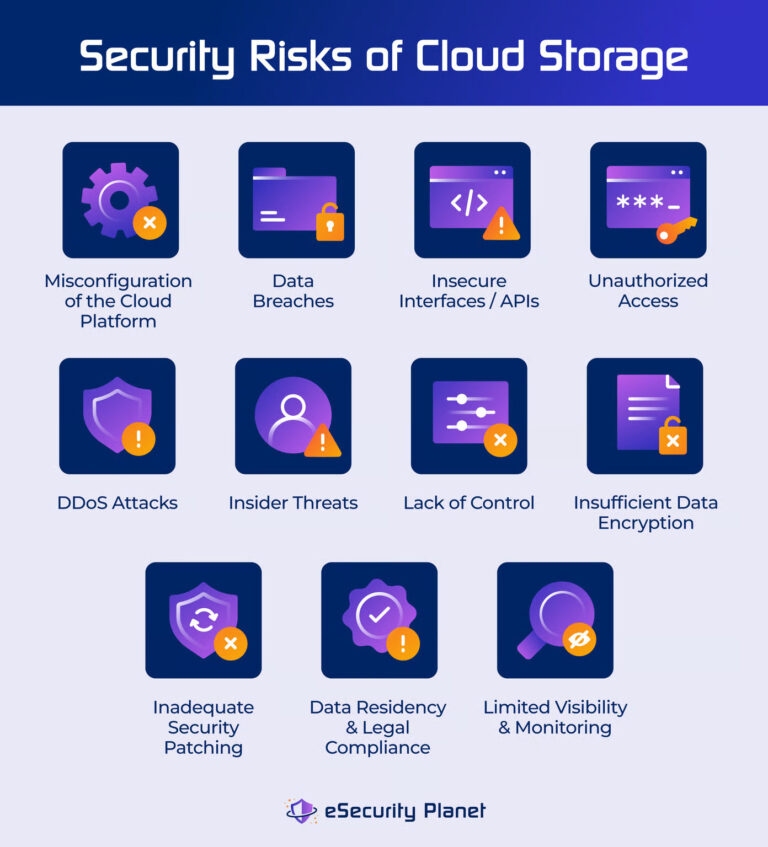
Once you know what you have, think about what could harm it. Cyber threats fall into a few broad categories, but you want to focus on the ones that actually apply to your situation. A ransomware gang locking your files. A phishing email tricking your bookkeeper. A stolen laptop with unencrypted client data. A malicious insider, or simply a well-meaning employee who accidentally deletes the wrong thing. Even physical threats count, like a power surge that fries your server or a water leak in the office.
For each asset on your inventory, brainstorm what bad thing could happen. Do not just copy a generic list from the internet. Think about your industry. A law firm has different nightmare scenarios than a restaurant. A medical clinic has different compliance worries than an online gift shop. The more specific you are, the more useful this step becomes. A threat that feels real and vivid is also one you will actually take action on.
Step 3: Spot Your Vulnerabilities
A vulnerability is a gap that a threat could exploit. It might be technical, like an outdated version of your website plugin that has a known security hole. It might be procedural, like not having a backup routine that runs automatically. Or it might be human, like a team that never received training on how to spot a deepfake phone call. Walk through your daily operations and ask, “Where are we winging it?” Any place where you lack a consistent, documented process is a potential vulnerability.
Common small business vulnerabilities include missing multi-factor authentication on email, shared admin accounts, devices without encryption, no guest Wi-Fi network, and software that has not been patched in months. Make a note of every gap you find, no matter how small it seems. Right now you are simply gathering information, not fixing things. That part comes later, once you know what matters most.
Step 4: Assess the Impact and Likelihood
This is the heart of the risk assessment. For each threat you identified, you want to estimate two things. First, what would be the impact if it actually happened? Think in terms of money, time, reputation, and legal trouble. A ransomware attack that locks your files for a week might cost you thousands in lost revenue and recovery expenses. A data breach exposing customer credit cards could trigger fines and lawsuits. Second, how likely is this threat to materialize, given your current vulnerabilities? Be realistic, not paranoid. A phishing attack targeting small businesses is highly likely. A sophisticated state-sponsored espionage campaign is not.
You can use a simple scoring system of high, medium, or low for both impact and likelihood. A risk with high impact and high likelihood is your top priority. One with low impact and low likelihood can go on the back burner. This structured approach stops you from chasing every scary headline and anchors your decisions in the reality of your own business.

Step 5: Prioritize and Build Your Action Plan
Now you turn your scores into a to-do list. Start with the high-impact, high-likelihood risks and ask, “What is the single most effective step we can take to reduce this?” Usually it is something surprisingly straightforward. Turn on multi-factor authentication. Set up automated, offline backups. Encrypt all company laptops. Train your staff on phishing red flags. Put these actions in order, tackling the ones that reduce the most risk for the least cost first.
Your action plan should include who is responsible for each task, when it will be done, and how you will know it is complete. A vague goal like “improve email security” is useless. A specific action like “enable MFA on all Google Workspace accounts by Friday” is something you can check off and celebrate. The plan does not need to be long. Even five or six concrete items can transform your security posture.
Step 6: Document Everything and Set a Review Schedule
The final step is to write down your findings and your plan. This document serves multiple purposes. It is proof for cyber insurance applications, evidence of due diligence for compliance purposes, and a reference point for future assessments. Keep the language plain and the format simple. An executive summary, your asset inventory, a risk matrix, and the action plan are enough.
Then set a recurring date on your calendar, maybe every six months, to revisit the assessment. Threats change, your business evolves, and what was low risk last year might be urgent now. The review is also a chance to measure your progress and give yourself credit for the improvements you have made. That positive reinforcement keeps security from feeling like a never-ending grind.
Tools That Make the Process Easier Without Breaking the Bank
You do not need expensive consultants to do a solid risk assessment. Several free and low-cost resources can guide you. The NIST Cybersecurity Framework is a widely respected model that distills security into five core functions: identify, protect, detect, respond, and recover. The CIS Critical Security Controls provide a prioritized list of actions specifically for small businesses. Both are free to download. If you want a more interactive approach, the Small Business Administration and various nonprofit cybersecurity groups offer self-assessment questionnaires and templates that walk you through the same steps covered in this guide. These tools give you a structure to follow, which is helpful when you are sitting in front of a blank spreadsheet and feeling stuck.
Common Mistakes to Avoid During Your Assessment
One big pitfall is trying to tackle everything at once. The whole point of a risk assessment is to prioritize, so if your action plan has thirty items with equal urgency, you have not really assessed anything. Another mistake is skipping the inventory phase. It feels tedious, but a hazy understanding of your digital landscape leads to a hazy assessment and lots of overlooked gaps. Some owners also confuse a vulnerability scan with a true risk assessment. A scan might tell you about a missing patch on your server, but it will not tell you that your biggest risk is the receptionist who forwards her work email to her personal account so she can answer messages from her phone at night. That is the kind of insight that only comes from thinking through your actual workflows. Finally, do not let the assessment sit on a shelf. A document that is never reviewed or acted upon is worse than no document at all, because it gives you a false sense of completion.
Conclusion
Conducting a cybersecurity risk assessment for your small business does not require a technical background or a big budget. It requires an honest hour of your time with a spreadsheet, a willingness to look at your operations with fresh eyes, and the discipline to turn your findings into a short, practical action plan. Start by listing what you have and what could go wrong. Score each risk on how bad it would be and how likely it is. Then fix the highest priorities with the simplest steps available. Document the process so you can prove your efforts and repeat the exercise down the road. The peace of mind that comes from knowing your real risks, and having a plan to address them, is one of the most valuable things you can give yourself as a business owner. It transforms a vague, looming dread into a manageable project, and that shift is everything.