What Is a Data Breach and What Should Your Business Do Next
That moment when you realize something is wrong with your business data does not announce itself with sirens. It is quieter than that. Maybe a customer calls, furious, because a strange charge appeared on their card right after they paid you. Maybe your bookkeeper notices files that were moved overnight. Or maybe, worst of all, a journalist contacts you for comment about a batch of your client records that appeared on a dark web forum. Your stomach drops. Your mind races. A data breach has happened, and now every decision you make in the next few hours will shape how badly this hurts your business. This guide is for that moment. It explains, in plain language, what a data breach actually is, why small businesses get hit so hard, and the step-by-step actions you must take to recover and rebuild trust.
Understanding What a Data Breach Really Means
A data breach is not always a dramatic scene with a hooded hacker and a glowing screen. At its simplest, a data breach occurs when sensitive, confidential, or protected information is accessed, viewed, stolen, or exposed by someone who should not have it. That can happen because an outsider broke through your defenses. But it can also happen because a well-meaning employee accidentally emailed a spreadsheet to the wrong person, or because an old company laptop was left on a train, or because the cloud storage folder you set up for sharing was accidentally left open to the public internet.
The data at risk can vary widely. It might be customer names and credit card numbers. It might be employee Social Security numbers and payroll records. It could be proprietary designs, client lists, medical records, or login credentials. The common thread is that the information was supposed to be private, and now it is not. The damage is not just the immediate loss of control. It is the cascade of consequences that follow: identity theft, fraud, lawsuits, regulatory fines, and the slow erosion of trust that is so hard to win back. For a small business, the impact can be existential.
Why Small Businesses Are in the Crosshairs
There is a persistent and dangerous myth that cybercriminals only chase the big fish. In reality, the opposite is true. Small businesses are targeted relentlessly because they often have valuable data but lack the dedicated security teams that large enterprises employ. Your little operation is a perfect target. Enough data to be worth stealing, but not so heavily guarded that the attack is difficult. Hackers know this, and they use automated tools that scan the entire internet for vulnerabilities, not caring whether the victim is a Fortune 500 company or a five-person law firm.
Consider a real scenario, stripped of identifying details. A small dental practice kept patient records, insurance details, and billing information on a server in the back office. The server was old, its software never updated, and the practice assumed nobody would target them. A single automated scan found a known vulnerability, and within hours, every patient file was copied and put up for sale online. The practice faced fines for violating health data privacy laws, lawsuits from patients, and a reputation scarred so deeply that appointment cancellations surged. No firewall, no warning, no chance to stop it because the basics were never done. This is the reality for thousands of small businesses every year.
The Immediate Aftermath: First 24 Hours
When you discover a breach, time distorts. It feels like everything is on fire and you have no idea where to aim the extinguisher. The first day is critical, not for solving everything, but for stopping the bleeding and preserving your options.
Do Not Panic, Assemble Your Response Team
The first thing to do is breathe. Clear thinking is your most valuable asset. Then, pull together a small team of trusted people. This might include your IT person or service provider, your office manager, and if you have one, your legal counsel. If you carry cyber insurance, call the hotline immediately. They will connect you with incident response professionals who handle these situations daily. Do not try to manage this alone. The emotional weight is heavy, and having experienced voices in the room will steady your hand.
Contain the Breach Immediately
You need to stop the leak. If the breach appears to be ongoing, disconnect the affected systems from the network. Unplug the Ethernet cable, turn off Wi-Fi, but do not shut down or restart the machines. The temporary memory, the RAM, holds forensic evidence that disappears when power goes off. Disable any compromised user accounts and reset passwords for all critical systems, starting from a clean, uninfected device. Your goal in this phase is simple: stop additional data from leaving, and prevent the attacker from digging deeper.
Preserve Evidence for Investigation
Every piece of data about the breach is a clue. Take screenshots, note the date and time you first noticed something wrong, and save any suspicious emails or files. If your systems generate logs, stop them from rotating or overwriting. Preserve hard drive images if you can. This evidence will be essential for understanding how the breach happened, for law enforcement if you choose to involve them, and for proving your compliance efforts to regulators. Do not try to fix or clean anything until evidence is safely collected. Amateur cleanup destroys the trail that professionals need.
Document Everything You Know So Far
Open a new document and start writing. What systems were affected? What kind of data do you believe was exposed? Who first noticed the problem and what did they see? Who has been informed so far? This log will become your master record, and it will keep you organized when things get chaotic. Date and time each entry. This document may later be reviewed by lawyers, insurers, and regulators, so be factual and avoid speculation. Just capture what you know, as you know it.
Assessing the Damage: What Was Taken?
Once the immediate threat is contained, you need to understand the scope. This is where the investigation digs deeper.
Identify the Scope: Which Systems, What Data
Work with your IT team or the forensic experts from your insurance to map out exactly what the attacker touched. Did they access the customer database? The email system? Payroll files? Determine how many records are involved, and what categories of data they contained. The answer will dictate your legal obligations for notification and the level of public communication required.
Determine the Cause: How Did They Get In?
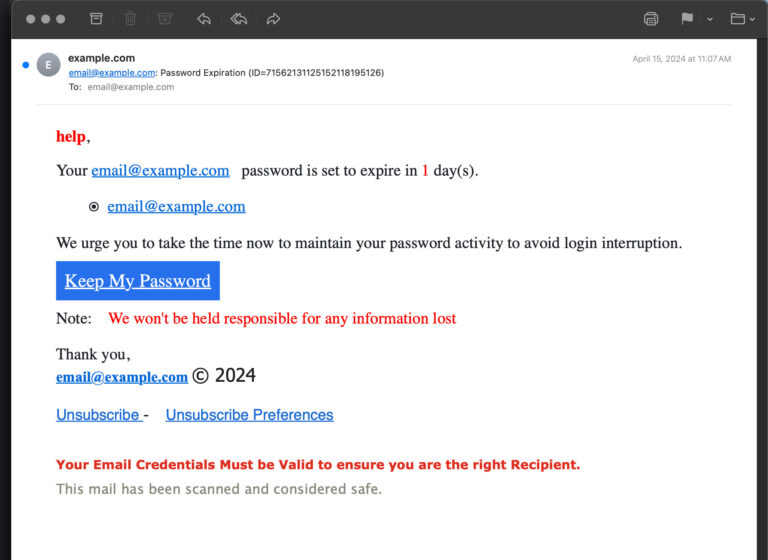
Understanding the root cause is not about assigning blame. It is about closing the door so they cannot walk back in. Was it a phishing email that an employee clicked? An unpatched software vulnerability? A misconfigured cloud storage bucket? A stolen password? The forensic investigation should answer this question clearly. Once you know the cause, you can immediately fix that specific gap, even as you plan broader improvements.
Involve Forensic Experts If Needed
If the breach is significant, or if you are unsure about the scope, bring in a professional digital forensics firm. They know how to collect and analyze evidence without destroying it. They can trace the attacker’s movements, determine what data was exfiltrated, and often identify the tools used. Your cyber insurance policy will often cover this cost. Do not skip this step to save money. An incomplete picture leads to incomplete notifications and bigger legal exposure down the road.
Legal and Regulatory Obligations You Must Follow
In the fog of a breach, it is easy to forget that you have legal duties. Ignoring them will multiply your troubles.
Data Breach Notification Laws
Every state in the U.S. has its own data breach notification law, and they differ in important ways. Some require notification within a certain number of days. Others specify exactly what the notification must contain. If you have customers in multiple states, or if you handle data from European citizens, you may be subject to GDPR or other international regulations. Contact a lawyer who understands data privacy law as early as possible. They will map out exactly who you must notify and when.
Who You Need to Notify
Typically, you must notify any individual whose personal information was compromised. This includes customers, employees, and sometimes business partners. You may also be required to notify the state attorney general, credit reporting agencies, and industry regulators depending on your sector. Your lawyer will guide you, but the principle is simple: anyone whose data was exposed deserves to know so they can protect themselves.
Working with Law Enforcement
You can choose to report the breach to local police and the FBI’s Internet Crime Complaint Center. Law enforcement may not be able to recover your data, but their involvement can be helpful for insurance claims and demonstrates to regulators that you took the breach seriously. In some cases, they may already be investigating the same attacker and your evidence could contribute to a larger case.
Documenting Your Compliance Efforts
Keep copies of every notification letter, every regulatory filing, and every communication with affected parties. If you are later questioned about your response, this paper trail proves you acted in good faith and followed the law. It is tedious, but it is your shield.
Communicating the Breach to Stakeholders
How you talk about the breach defines how people remember it. A botched communication can do more lasting damage than the breach itself.
Crafting a Clear, Honest Notification Letter
The notification to affected individuals must be straightforward and free of jargon. Explain what happened, what data was involved, what you are doing about it, and what steps they can take to protect themselves. Offer credit monitoring or identity theft protection services if appropriate. Be transparent about the timeline and the cause. People generally forgive mistakes, but they rarely forgive attempts to hide them. A sincere apology, paired with concrete action, goes a long way.
Internal Communication with Employees
Your team needs to hear what happened from you, not from the news or from an angry customer. Hold a meeting, explain the situation calmly, and give clear instructions. They should know how to handle incoming questions, what to say and what not to say, and that their own personal data may also have been exposed. Reinforce that the company will support them, and ask for their help in watching for suspicious activity. When your team feels included and informed, they become part of the recovery, not a vector for gossip.
Managing Public Relations and Reputation
Depending on the scale of the breach, you may need to issue a public statement or respond to media inquiries. Have a single spokesperson, preferably the owner, deliver the message with calm honesty. Acknowledge the impact, explain the remediation steps, and outline what you are doing to prevent a recurrence. Do not minimize or deflect. People smell insincerity instantly. If you show genuine accountability, you can begin the slow process of rebuilding trust.
Long-Term Recovery and Preventing the Next Breach
Once the immediate crisis passes, the real work begins. You have a window of motivation where your entire organization understands why security matters. Use it.
Conduct a Post-Incident Review
Gather your response team and walk through the entire incident chronologically. What worked well in your response? What failed? What warning signs were missed? Write a candid report, not to point fingers, but to capture lessons learned. This review becomes the foundation of your improved security program.
Strengthen Your Security Posture
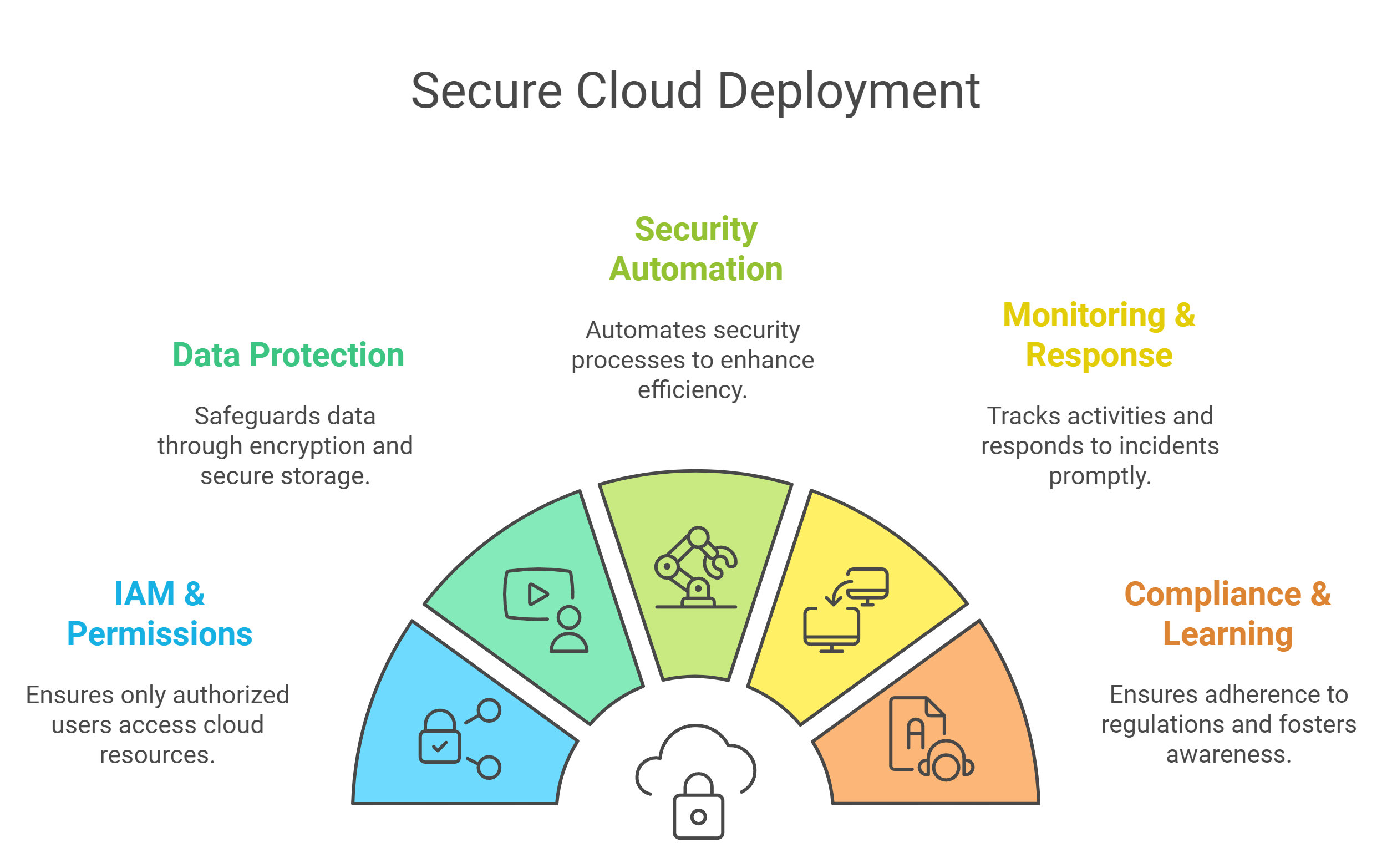
Fix the specific vulnerability that caused this breach, of course, but do not stop there. Look at the foundational practices you might have neglected. Enable multi-factor authentication everywhere. Implement automatic patching for all software. Encrypt sensitive data at rest and in transit. Set up proper access controls so employees only see what they need to do their jobs. Invest in a modern endpoint detection tool. Train your team on phishing and social engineering, using real examples and a blame-free culture. These are not expensive projects, just consistent habits.
Create an Incident Response Plan for the Future
The chaos of the first few hours after a breach is something you never want to repeat. Write down the steps you learned during this experience. Who do you call first? How do you isolate systems? What is your lawyer’s number? Where do you store the forensic evidence? Put it all in a one-page plan and keep it somewhere accessible. Then, run a tabletop exercise once a year. Walk your team through a fake breach scenario and practice the response. The muscle memory will serve you if the worst ever happens again.
Consider Cyber Insurance
If you did not have cyber insurance before, this experience will likely convince you of its value. If you did, you already know how the claims process works. Either way, review your coverage. Make sure the policy limits are adequate for the true cost of a breach, including forensic investigation, legal fees, notification expenses, and potential fines. The insurance application process itself is a useful checklist that will push you toward stronger security practices.
Conclusion
A data breach is one of the loneliest experiences a business owner can face. In the moment, it feels like a failure that will define you. But it does not have to be the end of your story. By acting swiftly, containing the damage, telling the truth, and committing to real improvement, you can emerge with a stronger, more resilient business. The steps outlined here are not theoretical. They are the same ones that have pulled countless companies through this exact crisis. Start by assembling your team and securing your systems. Then, work through your legal duties with clear-eyed honesty. Use the pain of the experience to fuel lasting change in how you protect your data. And remember, your customers care less about perfection than they do about integrity. Show them that you are handling this the right way, and many will stay by your side. You built your business by solving problems, and this is one more problem you will solve.