
CEO Fraud and Wire Transfer Scams: How to Protect Your Business
It usually starts with an email that feels completely routine. The boss is out of town at a conference, or maybe just working from home, and an urgent message lands in the finance person’s inbox. The tone is friendly but direct. There is a wire transfer that needs to go out before the bank cutoff, and by the way, this is a confidential deal so please keep it quiet. The employee wants to be helpful. They want to be efficient. So they send the money. And just like that, tens of thousands of dollars vanish into a criminal’s account, often with almost no way to get it back. This is CEO fraud, sometimes called executive impersonation, and it is one of the most devastating scams hitting small businesses today. It does not rely on fancy hacking tools. It relies on trust, authority, and the natural human reluctance to say no to the person who signs the paychecks. In this guide, I will walk you through exactly how these scams work, why your business might be more vulnerable than you think, and the practical, low-cost steps you can take to make sure the next urgent wire request does not become a very expensive lesson.
Understanding CEO Fraud and Why It Works So Well
CEO fraud is a specific type of business email compromise where a criminal pretends to be a high-level executive, usually the owner, the CEO, or a managing partner. The goal is almost always financial. The scammer wants a wire transfer, a change to vendor banking details, or sometimes the release of sensitive employee data like W-2 forms that can be used for tax fraud. What makes it so effective is the power dynamic. In a small company, the owner or CEO often has the final say on everything. Questioning a direct order from that person can feel risky, especially if the message is worded in a way that suggests urgency or confidentiality. The criminal exploits that hesitation. They count on it.
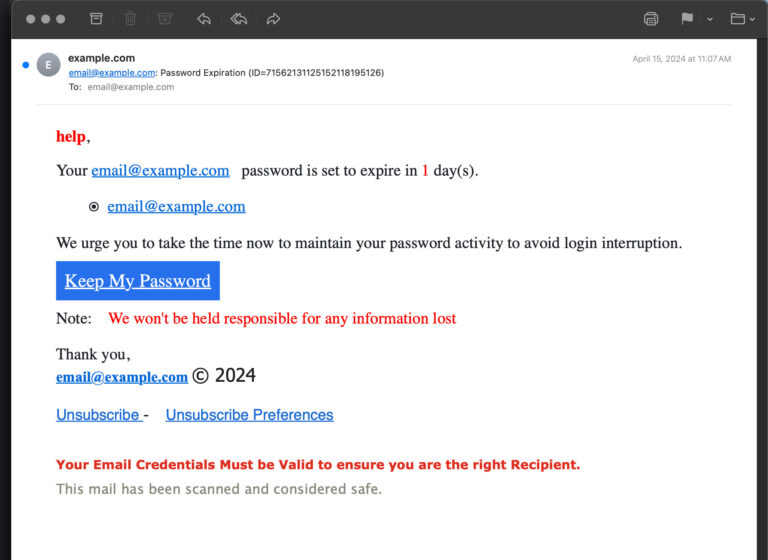
The scam also works because it arrives through a channel we instinctively trust. Email feels personal and direct. We are conditioned to respond quickly, especially to people we know. When the display name says “John Smith, CEO,” our brains accept it at face value. We do not automatically check the actual email address behind the name. We do not pause to wonder if John would really be emailing from a Gmail account at 9 p.m. on a Saturday. The visual cue of the name overrides our critical thinking, and that split-second of trust is all the scammer needs.
How the Scam Unfolds Step by Step
Criminals do not usually fire off blind emails and hope for the best. There is a process, and it is more patient and deliberate than most people imagine.
The Reconnaissance Phase
The attacker starts with open-source research. They study your company website, your LinkedIn page, your social media accounts. They learn the names of your executives, the key people in finance, and the vendors you work with regularly. They might read press releases about a recent deal or a new office opening. Anything that can make an email sound authentic gets filed away. This phase can take days or weeks, and you never see it happening. The attacker becomes a quiet student of your business, all from publicly available information.
The Impersonation Setup
With enough background, the scammer creates the illusion of the executive. There are two main methods. The first is spoofing the display name. The email might come from an address like ceo@urgent-message.com, but the name that appears in the inbox is the real name of your boss. On a phone screen, the full address is often hidden, and the display name is all you see. The second method is domain impersonation. The criminal registers a domain that looks almost identical to yours, with a single letter changed or a different top-level domain. An email from that address looks completely real at a glance.
The Grooming Message
The first contact is often not the actual money request. It might be a simple note: “Are you at your desk? I need a quick favor.” Or “Can you send me the account details for the Johnson account?” This message serves two purposes. It establishes a thread that looks normal, and it tests whether the target will respond without question. The victim replies, thinking they are helping the boss. The scammer now has a conversation going, and the victim’s guard is lowered. This grooming step is what makes the final request so convincing. It does not come out of nowhere. It arrives as part of an ongoing exchange.
The Urgent Request
Then the hammer falls. The scammer sends an email with a very specific, very urgent wire transfer request. The language is crafted to create pressure. The CEO is in a board meeting and cannot take calls. The deal is confidential and must not be discussed with anyone. The bank cutoff is in one hour. The vendor will cancel a major discount if payment is not received today. The combination of authority, secrecy, and time pressure is intoxicating. It short-circuits the normal verification process. The employee, wanting to perform well and not be an obstacle, processes the transfer. The money goes to an account controlled by the criminal, often in a jurisdiction that makes recovery nearly impossible.
Why Small Businesses Are the Perfect Target
There is a persistent belief that scammers go after massive corporations because that is where the big money lives. The reality is different. Small and medium businesses are the ideal prey for CEO fraud. You have enough cash flow to make a single wire transfer worthwhile, sometimes tens or even hundreds of thousands of dollars. But you rarely have the formal financial controls that large enterprises build over years of audits and compliance mandates. In a ten-person company, the person who answers the phone might also be the person who processes payments. There are fewer layers of approval, fewer eyes on each transaction.
Small businesses also tend to have a close-knit culture. The relationship between the owner and the staff is personal. That closeness is a wonderful thing, but it also means that an email that says “I need your help, keep this between us” feels completely natural. It does not trigger the same alarm bells it might in a more impersonal corporate environment. The scammer exploits that trust, and the small business owner pays the price.
Real-World Red Flags That Should Stop Anyone in Their Tracks
Understanding how the scam works lets you spot the warning signs before money moves. These are the moments where your instincts should start whispering that something is off.
Unusual Secrecy and Pressure
When the boss typically discusses vendor payments openly and suddenly asks for a transfer to be kept confidential, that is a red flag. When the tone of the email is different from what you are used to, more formal or more curt, that is a red flag. When the request comes with a ticking clock and an excuse for why a phone call is impossible, that is a very bright red flag. Criminals do not want you to verify. They want you to act on impulse. Pausing, even for ten minutes, is often the difference between catching the fraud and losing the money.
Changes to Payment Details
A classic CEO fraud variant involves instructions to update a vendor’s banking information. The email claims the vendor has a new account and the next payment must go there. Sometimes this is paired with a fake invoice attached. The change request seems routine, but it reroutes future payments to the criminal. Any unsolicited request to change payment details, whether it comes from inside or outside the company, should be treated with extreme caution.
Requests for Sensitive Employee Data
Another variation targets human resources and payroll. The scammer impersonates the CEO and asks for copies of employee W-2 forms or a spreadsheet of payroll information. This data is then used to file fraudulent tax returns or commit identity theft. The request often comes near tax season, when the ask feels timely. The damage here is not immediate financial loss but a slow-burning nightmare for every employee whose information is stolen.
Building a Payment Verification Process That Cannot Be Skipped
Technology helps, but the strongest defense against CEO fraud is a human process that treats every payment change as a potential threat until proven otherwise.
The Rule That Saves Money: Out-of-Band Verification
The single most important policy you can implement is this: no payment over a certain amount, and no change to vendor banking details, can be processed without verbal confirmation using a known phone number. Not the number in the email. Not a callback to the number in the signature. A pre-existing number that you already have on file for that person. If the email claims the CEO cannot be reached by phone, then the payment waits until they can be reached. No exceptions. This rule must come from the top, and the CEO must model it by never pushing back when someone verifies a request. The culture of verification is built on leadership behavior.
Dual Authorization for Large Transfers
No single person should be able to both initiate and approve a wire transfer. A second set of eyes is a powerful fraud deterrent. In a small business, this might mean that the office manager and the owner both log in to approve payments over a set threshold. It might be as simple as a rule that any transfer above five thousand dollars requires a quick in-person or phone confirmation between two people. The second person is not just a rubber stamp. They are the fresh perspective that might notice the email address is off or the urgency makes no sense.
A Clear Chain of Command for Financial Requests
Your finance team, even if the team is one person, should have a written, unambiguous process for handling payment requests. That process should be shared with everyone in the company, including the executives. When the rules are written down and agreed upon, an email that tries to bypass them stands out. The employee can point to the policy and say, “I need to follow our verification steps.” It depersonalizes the pushback. It is not the employee refusing the boss. It is the company following its agreed-upon safety protocol.
Technical Defenses That Block Impersonation Before It Reaches an Inbox
Human processes are your last line of defense, but technical measures can stop many impersonation attempts before a person ever sees them.

Email Authentication: SPF, DKIM, and DMARC
These three protocols work together to prevent criminals from spoofing your domain. SPF tells the world which servers are authorized to send email on behalf of your company. DKIM adds a digital signature that verifies the message was not altered. DMARC tells receiving email servers what to do when an email fails these checks, either quarantine it or reject it outright. Setting these up correctly makes it dramatically harder for scammers to send emails that appear to come from your domain. It also protects your partners and customers from receiving fake invoices in your name.
Display Name Spoofing Detection
Modern email security services can analyze the display name and compare it to the actual email address. If an email claims to be from your CEO but originates from a free Gmail account, the filter can flag it or add a prominent warning banner. Some services go further and use artificial intelligence to learn the normal communication patterns of your executives. When an email deviates from those patterns, it gets held for review. These tools are not just for big companies anymore. Managed security providers offer them to small businesses at reasonable monthly rates.
Advanced Email Filtering
Your basic spam filter is not designed to catch CEO fraud because the emails contain no malware and no suspicious links, just plain text. Advanced email security layers specifically look for signs of impersonation, urgency language, and domain anomalies. They can also flag emails from newly registered domains that mimic yours. When you pair this filtering with clear visual warnings in the inbox, like a banner that says “This email originated outside the organization,” you give your team a split-second pause that can make all the difference.
What to Do If You Have Already Sent the Money
Even the best defenses can fail. If you discover that a fraudulent wire transfer has been made, time is the most critical factor. The faster you act, the higher the chance of recovery.
Contact Your Bank Immediately
Call your bank’s fraud department, not the general customer service line. Explain exactly what happened and ask them to initiate a recall of the wire transfer. If the transfer was international, request a SWIFT recall. In some cases, the bank can freeze the receiving account if the funds have not yet been moved. Banks handle these situations daily, and they would much rather hear from you within the first few hours than weeks later when the money has been laundered through multiple accounts.
Report to Law Enforcement
File a complaint with your local police and with the FBI’s Internet Crime Complaint Center, known as IC3. While recovery is not guaranteed, these reports feed into larger investigations. Law enforcement agencies have sometimes been able to freeze and return funds when they were notified quickly and when the case connected to a broader criminal operation. The report also creates an official record that can be helpful for insurance claims and for demonstrating due diligence to regulators.
Notify Your Cyber Insurance Provider
If you carry cyber insurance, call the claims hotline immediately. Many policies cover social engineering fraud and will connect you with incident response professionals, legal counsel, and crisis communicators. They may also have relationships with financial institutions that can help trace and recover funds. Do not assume the loss is final. Experienced professionals know paths to recovery that a business owner would never find on their own.
Review and Strengthen Your Processes
Once the immediate crisis passes, conduct a honest review of how the scam succeeded. Was it a lack of verification? A technical gap in email filtering? A team member who needed better training? Document the lessons and close the gaps. Share a sanitized version of the story with your team so they understand the real-world consequences and feel more invested in following the new processes. A painful experience can become the catalyst for lasting improvement.
Conclusion
CEO fraud is not a distant, theoretical danger. It is a daily reality for small businesses, and it thrives on the very qualities that make those businesses great: trust, efficiency, and close relationships. The criminals behind these scams are patient, clever, and utterly without conscience. But the defenses against them are not complicated. They cost more in attention and habit than in hard dollars. A mandatory verbal verification step for any unusual payment request stops the vast majority of attacks in their tracks. Dual authorization adds an essential safety net. Proper email authentication and advanced filtering block impersonation attempts before they land. And a team culture that celebrates verification rather than punishing it turns every employee into a guardian of the business bank account. The peace of mind that comes from knowing a single email cannot drain your accounts is real and lasting. Take these steps now, before the next urgent request hits the inbox. Your business is worth every minute of the effort.