Why Hackers Target Small Businesses More Than Enterprises
If you run a small business, you have probably thought to yourself at least once that cybercriminals only care about the big players. The giant retailers, the banks, the enterprises with names everyone recognizes. It is a comforting thought. And it is completely wrong. The reality is that hackers have been quietly shifting their focus toward smaller companies for years now. The numbers tell a sobering story. According to a report from the Identity Theft Resource Center, small businesses experienced a record number of data breaches recently, and many of those owners never saw it coming.
Here is the thing that nobody tells you when you open your doors. You are not too small to be a target. You are exactly the kind of target modern attackers are looking for. They are not always after a multi-million dollar payday. They are after an easy entry point, a quick ransom, or a way to sneak into somebody else’s network. And small businesses give them all three on a silver platter. I want to walk you through the real reasons why this happens, without the scare tactics and without the unnecessary jargon. By the time you finish reading, you will understand the threat landscape much better, and you will have a clear idea of how to stop being low-hanging fruit.
The “Too Small to Be a Target” Myth Is Your Biggest Weakness
There is a dangerous belief floating around small business circles, and it goes something like this. Hackers go after Microsoft or Amazon, not a local accounting firm with seven employees. That belief is exactly what attackers are counting on. When you assume you are invisible, you leave doors unlocked, you skip software updates, and you do not train your people to spot a phishing email. I have seen it happen more times than I can count. A small law firm thought their data was irrelevant until they got hit with ransomware and lost access to every case file they had. They paid the ransom. It still took them weeks to recover.
The psychology behind the myth makes sense on the surface. We tend to measure risk by how visible we are. But hackers do not think like business owners. They think in terms of opportunity and effort. Breaking into a Fortune 500 company takes months of reconnaissance, sophisticated tools, and a lot of patience. Breaking into a small bakery’s point-of-sale system might take a single phishing email and a five-minute exploit kit. At the end of the day, it is a numbers game. Attackers can target a hundred small businesses in the time it takes to go after one enterprise. Even if only ten of those small targets pay out, the return on investment is massive.
And it is not just about direct financial gain. Sometimes the goal is to harvest login credentials or customer payment data that can be sold in bulk on dark web marketplaces. There is a thriving underground economy for this kind of information. A stolen credit card number from your online store might only fetch a few dollars, but multiply that by a few thousand cards and suddenly the math changes. The “too small to be a target” myth is not just incorrect. It is actively hurting your ability to protect your business, because it stops you from taking the threat seriously before it is too late.
Budget Constraints and the Lack of In-House Security Expertise
Let us be honest about something. Most small businesses operate on razor-thin margins. Every dollar counts. When you are deciding between upgrading your cybersecurity defenses and making payroll, payroll wins every single time. I am not judging that decision. It is the reality of running a small company. But hackers understand this reality just as well as you do, and they exploit it ruthlessly. They know you probably do not have a dedicated IT person, let alone a security specialist who monitors logs and patches vulnerabilities around the clock.
In a large enterprise, there is a whole department whose only job is to watch for suspicious activity at three in the morning. Your business likely relies on whatever antivirus came bundled with the computer and maybe a firewall that has not been updated since the day it was installed. That is not an insult. That is just what happens when you are stretched thin. The problem is that attackers have automated tools that scan the internet nonstop looking for exactly this kind of environment. Outdated software, default passwords, open ports. These things are like neon signs screaming “easy target.”
Another layer to this is that even when small business owners want to invest in protection, the market is confusing. You walk into a search for “business cybersecurity” and you get bombarded with enterprise solutions that cost thousands per month and require a degree to configure. It feels overwhelming, so it gets pushed to the back burner. The truth is, you do not need a military-grade security operations center. You need the basics done consistently. And the good news is that those basics are not expensive. But we will get to that a bit later.
The absence of training is another huge factor. In large companies, employees go through regular security awareness programs. They learn to recognize phishing emails and report them. In a small team, the owner often assumes that everyone has common sense. That assumption is costly. I have met countless business owners who lost access to their bank accounts because a well-meaning employee clicked a link in an email that looked completely legitimate. A little bit of training goes a long way, and the lack of it is one of the main reasons hackers keep coming back to small businesses.
You Have More Valuable Data Than You Realize
When I ask small business owners what data they think a hacker would want, they usually pause and shrug. Customer names and emails, maybe. They rarely think about everything else sitting on their systems. But think about your own business for a second. You have employee records with social security numbers and bank details for direct deposit. You have vendor contracts and invoices. You might have proprietary information about your products, your pricing strategies, or your client list that a competitor would love to get their hands on. That data has value on the black market.
Then there is the even more obvious treasure. Payment card data. If you process credit cards and you are not compliant with the Payment Card Industry Data Security Standard, you are a walking target. Hackers do not need to steal millions of cards from a national retailer. They are perfectly happy stealing a few hundred from a local boutique. They can use those cards for small purchases that do not trigger fraud alerts, or they can package them up and sell them online. It is a low-risk, steady stream of income for them.
Personal health information is another goldmine. If you run a small medical practice, a dental office, or a wellness center, your patient records are worth a fortune on the dark web. Medical identity theft is a massive problem, and those records sell for significantly more than credit card numbers because they contain enough information to commit full-blown identity fraud. A single patient record can go for hundreds of dollars. Now multiply that by the number of patients you have seen over the years. You are not just holding data. You are holding a vault.
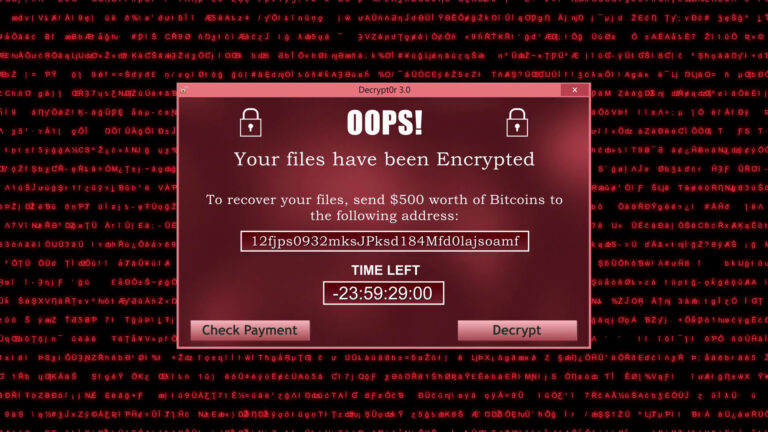
Beyond the direct resale value, there is the extortion angle. Hackers know that your data is essential to your daily operations. If they encrypt your customer database and your accounting files, they can demand a ransom. Many small businesses pay up because they see no other way out. Even if you have backups, the downtime alone can be devastating. The attackers understand that you cannot afford to be shut down for a week while you rebuild everything from scratch. So they set the ransom at a price that feels painful but payable. It is a psychological game, and they are very good at playing it.
Automated Attacks Do Not Care About Your Size
Somewhere out there, right now, automated bots are scanning the internet looking for vulnerable websites, unpatched servers, and misconfigured cloud storage buckets. These bots are not making value judgments about your company. They are not skipping you because your annual revenue is under a million dollars. They are programmed to find a weakness and exploit it immediately, often in a matter of seconds. This is the part of the threat landscape that surprises small business owners the most. They imagine a hacker in a dark room targeting them personally. The reality is far more impersonal and far more dangerous.
Automated attacks are the great equalizer. A bot does not care if you are a Fortune 500 company or a family-owned florist. It only cares that your version of a certain plugin is three months out of date and there is a known vulnerability that has not been patched. The moment that vulnerability becomes public knowledge, bots start scanning for it within hours. If your website is still running the vulnerable version, you will get compromised. It is not a matter of if. It is a matter of when. I have talked to people who launched a brand new website on a Friday and woke up on Monday to find it had been defaced or injected with malicious code.
These automated campaigns also leverage stolen credentials at an industrial scale. When a big data breach happens at a major service provider, millions of usernames and passwords get leaked online. Attackers use automated tools called credential stuffing to test those leaked passwords against other sites, including the login portals of small businesses. If you or your employees reuse passwords, which is incredibly common, those bots will eventually find a match and walk right in. No sophistication required. Just persistence and a big list of stolen logins.
The fallout from these automated break-ins can be severe. Even if the attacker does not directly steal money, they might use your website to host phishing pages, distribute malware, or send spam. Your domain reputation gets trashed, your email deliverability tanks, and your customers start seeing warning messages when they try to visit your site. Cleaning up that mess is expensive and time-consuming. And all of it happened because an algorithm found a crack in your defenses that you did not even know existed.
Small Businesses Are Stepping Stones to Bigger Targets
One of the most overlooked reasons hackers love small businesses is that you often hold the keys to someone much bigger. Think about your relationships with larger partners, suppliers, and clients. You might have remote access to their systems for ordering, invoicing, or project management. A hacker who compromises your network can use that trusted connection to leapfrog directly into the enterprise you work with. This is called a supply chain attack, and it has been behind some of the most devastating breaches in recent years.
Remember the Target breach that made headlines? That massive compromise started with an HVAC contractor, a small business that had network access to Target’s systems for managing heating and cooling. The attackers did not initially go after the retail giant. They went after a smaller, softer target that could get them inside. Once they were in the contractor’s network, they stole the credentials needed to access Target’s systems and the rest is history. This pattern repeats itself constantly across every industry.
Your business might not work with a retailer like Target, but you probably work with a bank, an insurance company, a software provider, or a government agency in some capacity. The login portal you use to manage your business accounts, submit claims, or report compliance data is a gateway. If your computer is infected with a keylogger or a remote access trojan, those credentials get harvested. From there, the attackers can impersonate you and move laterally into your partner’s network. The scary part is that you might never know it happened. The breach gets discovered on the other end, and suddenly your business is the patient zero of a major incident.
Even without a direct connection to a giant corporation, your compromised email account can be weaponized. Hackers love to use a real business email to send fraudulent invoices to your clients. Because the email comes from your legitimate address, the recipients trust it. They pay the invoice to the attacker’s bank account and do not realize the scam until you follow up weeks later. By then, the money is long gone. Your reputation takes a hit, and you might even face legal liability depending on the contracts involved.

Why Hackers Feel Safer Targeting You
There is another uncomfortable truth we need to talk about. Law enforcement resources for cybercrime are stretched thin, and the focus naturally gravitates toward breaches that affect millions of people or involve national security. When a small business gets hit with a ransomware attack that costs ten thousand dollars, the local police department usually does not have a cybercrime unit ready to investigate. The case might get filed and forgotten. Hackers know this. They operate with near impunity when they keep their attacks below a certain threshold.
Jurisdictional boundaries add another layer of protection for the criminals. The person who encrypted your files is probably sitting in a country that does not have an extradition treaty with yours. Even if you manage to track them down, the chances of them facing any consequences are slim. This calculation is not lost on attackers. They deliberately target smaller victims because the risk of being caught is dramatically lower. A high-profile attack on a bank triggers an international investigation. An attack on a small manufacturing company in a rural town barely makes the local news.
On top of that, small businesses rarely report these incidents. There is a sense of shame that comes with being hacked. Owners worry that their customers will lose trust if they find out. They worry about legal exposure, about looking incompetent, about the sheer hassle of dealing with the fallout. So they pay the ransom quietly, hire someone to clean up the mess, and never say a word. This culture of silence is a gift to attackers. It keeps the full scale of the problem hidden and ensures that other small businesses keep making the same mistakes.
The cost of cyber insurance is also creeping up, and many small businesses either do not have it or have policies full of exclusions. After a breach, they face the costs of forensic investigation, data recovery, legal fees, and potential regulatory fines all on their own. Hackers factor this into their target selection too. They know that a small business with no insurance is more likely to pay a ransom directly, without the involvement of a professional negotiator. It is a grim calculus, but it is the reality of the digital world we live in.
Simple Defenses That Dramatically Lower Your Risk
I do not want to leave you with a sense of hopelessness here. The truth is, most attacks against small businesses succeed not because the hackers are brilliant, but because the basics are missing. And the basics are not complicated or expensive. They are just neglected. The single most impactful thing you can do is enable multi-factor authentication on every single account that supports it. Your email, your banking, your cloud storage, your website admin panel. All of it. This one step stops the vast majority of credential-based attacks in their tracks.
Patching is the next boring but critical habit. When your computer prompts you to install updates, do not put it off for three weeks. Those updates often fix security holes that attackers are already exploiting. The same goes for your website plugins, your router firmware, and any other piece of software that touches the internet. Set aside a specific time each month to check for updates and apply them. It is not glamorous work, but it slams the door on a huge number of automated attacks.
Backups deserve their own entire conversation, but I will keep it focused. You need a backup system that is automatic, offsite or cloud-based, and tested regularly. An external hard drive sitting on your desk connected to the same computer is not a real backup. If ransomware hits, that drive gets encrypted too. A good cloud backup solution with versioning allows you to roll back to a clean state without ever having to negotiate with criminals. Test your backups by actually restoring a file once a month. A backup you have never tested is just a wish.
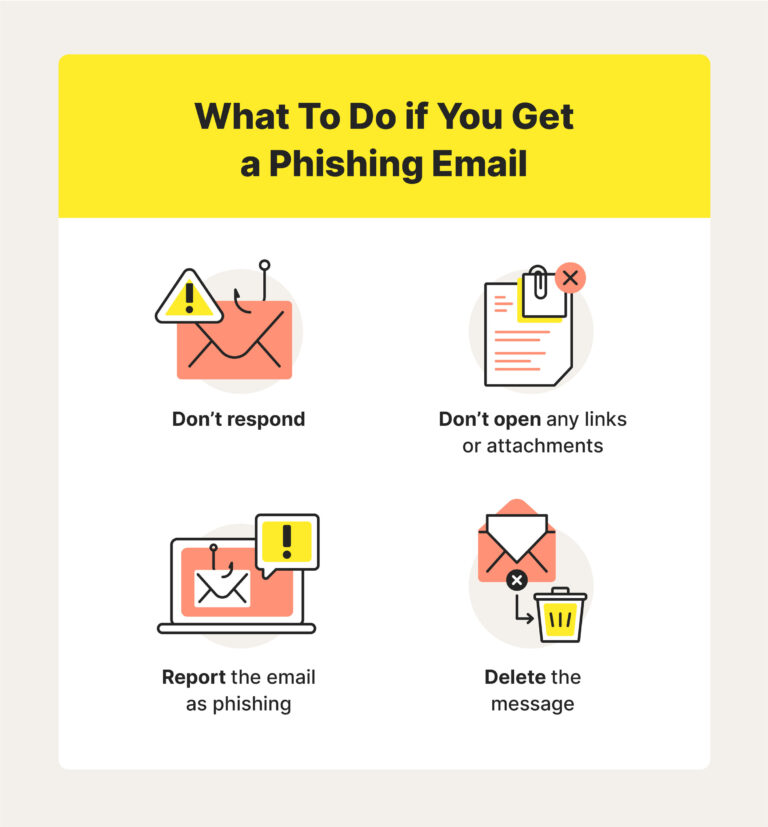
Then we come to the human element. Your employees are both your first line of defense and your biggest vulnerability. Spend an hour every few months talking about phishing emails. Show them real examples. Teach them to hover over links before clicking, to verify unusual requests by phone, and to trust their gut when something feels off. Make it safe for them to report mistakes. If someone clicks a bad link and immediately tells you about it, you can react fast and limit the damage. If they hide it out of fear, that small mistake can turn into a catastrophe.
Finally, take a hard look at your password habits. If you are reusing the same password across multiple accounts, stop. Start using a password manager. It will generate long, unique passwords for every service and remember them so you do not have to. This removes the mental burden and slashes the risk of a credential stuffing attack. Pair that with multi-factor authentication, and you have built a wall that even the most determined bots will struggle to climb. None of these steps require a computer science degree. They just require a little bit of attention and a commitment to stop assuming it will not happen to you.
Conclusion
The reason hackers target small businesses more than enterprises is not a mystery. It is a cold, calculated business decision on their part. They see limited defenses, valuable data, and a high probability of getting paid without ever facing consequences. The myth that small businesses are invisible to attackers has been thoroughly debunked by years of data and a mountain of real-world incidents. The automated nature of modern cybercrime means your size offers no protection. The interconnectedness of the digital economy means your security weaknesses can ripple outward and harm others.
What changes everything is the decision to take the threat seriously before a crisis forces you to. The defenses that matter are not out of reach. They are simple, affordable, and effective. Multi-factor authentication, regular updates, verified backups, honest conversations about phishing, and unique passwords. These are the things that move your business from the “easy target” column to the “not worth the trouble” column. You do not need to be a cybersecurity expert. You just need to stop believing you are too small to matter. Because the hackers have already decided that you matter a lot. It is time you believed them and did something about it.