How Much Does a Cyberattack Cost a Small Business in 2026?
You have probably seen the headlines. A giant corporation gets hit with a cyberattack and the price tag makes your jaw drop. Millions of dollars gone. But when you run a small business, you might think the numbers do not apply to you. The truth is, they apply more than you realize. A cyberattack can hit a small company like a financial wrecking ball. The costs are not just the ransom demand or the stolen money. They pile up in ways that catch owners completely off guard. In 2026, the landscape has shifted. Attacks are more sophisticated. Recovery is more expensive. And the margin for error has shrunk to practically nothing. I want to walk you through the real numbers, the hidden expenses, and the long shadow a breach casts over your future. By the end, you will understand exactly what is at stake every single day you leave a door cracked open.
The Sticker Price: Direct Financial Losses in 2026
The first thing that hits your bank account is the immediate damage. This is the part people picture when they hear the word cyberattack. A demand for money. A fraudulent wire transfer. A system that goes dark and stops generating revenue. These direct costs are painful enough on their own. But in 2026, they have reached levels that can empty a small business reserve fund in a single afternoon. The numbers have been climbing steadily, and there is no sign of them slowing down.
Ransomware Demands Are Skyrocketing
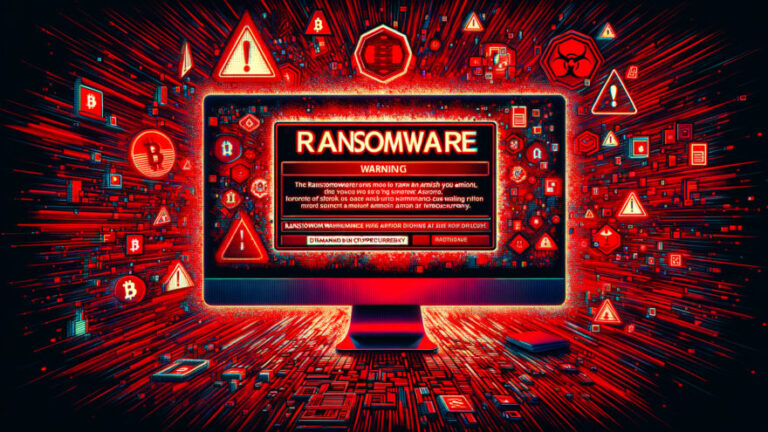
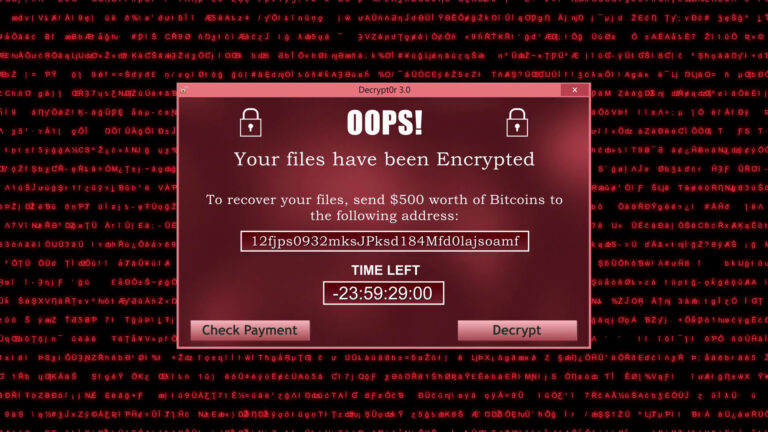
A few years ago, a ransomware demand for a small business might have landed in the low thousands. Ten thousand dollars felt like a nightmare scenario. In 2026, average ransom demands for small and midsize targets have shot past the twenty-five thousand dollar mark, with many creeping into the mid-five figures. Attackers have gotten smarter about calculating what you can actually pay. They do their homework. They look at your revenue, your employee count, and even your insurance coverage before naming their price. And the scariest part is that paying the ransom does not guarantee anything.
The cryptocurrency payment itself is just the start. You have to factor in the cost of hiring a negotiator, who often charges a percentage of the ransom or a flat fee in the range of five to ten thousand dollars. Then there is the technical work of decrypting your files. Even with the key, the process can take days or weeks, and some data gets corrupted permanently. In 2026, ransomware gangs have also mastered the art of the partial restore. They give back enough to prove they held up their end of the deal, but critical databases come back garbled. You are left paying extra for recovery tools on top of the ransom. The direct extortion payment alone can wipe out months of profit.
Business Interruption: When Every Hour Counts
The ransom note gets all the attention, but downtime is the silent killer. Imagine your e-commerce site goes down on a Monday morning and does not come back until Thursday. Every hour that ticks by is an hour of zero sales. For a small business, that could mean losing eight, ten, or fifteen thousand dollars in revenue just from the outage. And that is a conservative estimate. If you run a service-based business that depends on appointments, online booking, or client portals, the interruption halts your entire operation. Employees sit idle. Deliveries get missed. Customers walk away angry.
In 2026, the cost per hour of downtime has risen as businesses rely even more on digital tools. The average small business now loses around two to four thousand dollars per hour when critical systems are offline. An attack that takes a full week to resolve can easily exceed a hundred thousand dollars in lost revenue alone. And here is the part nobody warns you about. Even after the systems come back online, you face a backlog. Orders need to be processed twice as fast. Support tickets pile up. Overtime pay eats into your margins. The interruption extends far beyond the technical recovery window. It echoes for months.
Fraud and Theft: The Immediate Cash Drain
Ransomware is dramatic, but straight-up theft is often cleaner and faster. Business email compromise, known as BEC, has become a multi-billion dollar problem. A hacker slips into your email, watches your conversations, and at the perfect moment sends a fake invoice or changes the bank details on a payment. The money transfers go out from your account or from your client’s account into a criminal’s pocket. By the time you notice, the funds have vanished through a maze of international accounts. The average loss from a BEC attack on a small business in 2026 sits around fifty to eighty thousand dollars per incident.
Payment card skimming on websites is another silent drain. Attackers inject malicious code into your checkout page and harvest credit card numbers for weeks or months before you detect it. You end up liable for the fraudulent charges, the card replacement costs, and the forensic audit required by your payment processor. Those audits alone can run ten to twenty thousand dollars. Then there is the fine from the card brands for being out of compliance. A small breach of card data can easily rack up forty thousand dollars in direct costs before you even pick up the phone to call your lawyer. The money leaves quickly and does not come back.
The Hidden Costs That Sink a Business
If the direct costs are the punch to the gut, the hidden costs are the slow bleed that follows. These expenses do not show up on the same day as the attack. They emerge over the following weeks and months. They drain your cash reserves, distract your team, and eat away at your reputation. This is the part that makes a business owner wake up at three in the morning, staring at the ceiling. The hidden costs are where the true threat to your company’s survival lies.
Forensic Investigation and Legal Fees
Once you discover a breach, you cannot just patch the hole and move on. You need to know how the attackers got in, what they took, and whether they are still hiding in your network. That requires a digital forensics team. These specialists charge between two hundred and five hundred dollars an hour, and a thorough investigation takes sixty to a hundred hours for a small business network. The math adds up fast. You are looking at a bill anywhere from fifteen to fifty thousand dollars just to understand what happened. And you do not have a choice. Your insurance company, your bank, and your regulators all demand it.
Then the lawyers get involved. You need counsel to navigate breach notification laws. In 2026, privacy regulations have only grown tighter. Every state and country has its own rules about who you must notify and how quickly. Drafting those letters, managing the legal risk of class-action lawsuits, and responding to regulatory inquiries racks up another twenty to fifty thousand dollars in legal fees. Even a small breach with limited exposed data can trigger these costs. A larger breach involving sensitive personal information can push the legal bill well into six figures. The lawyers are not optional either. Trying to handle it yourself is like performing surgery on yourself in the dark.
Regulatory Fines and Compliance Penalties
Privacy watchdogs have sharpened their teeth. In 2026, small businesses can face substantial fines for failing to protect customer data adequately. Under regulations like the General Data Protection Regulation in Europe or state-level laws in the United States, fines can reach four percent of annual revenue or more, depending on the severity. For a small business doing two million dollars in yearly sales, that is up to eighty thousand dollars. Regulators are increasingly willing to levy penalties on smaller entities to send a message that size is not an excuse.
Beyond the headline fines, there are compliance penalties from industry bodies. If your business handles payment cards, you can be slapped with non-compliance fees by your acquiring bank. Those fees start at five thousand dollars a month and climb until you fix the problems. The costs stack. Health care practices, accounting firms, and legal offices face even stricter standards. A single breach that exposes client data can trigger audits from professional licensing boards, and those audits cost money and time. The regulatory aftermath turns a one-time incident into a recurring nightmare of paperwork and payments.
The Price of Reputation: Lost Customers and Future Revenue
You can replace a server. You can pay a fine. But you cannot force a customer to trust you again. Once word gets out that your business leaked their data, a chunk of your client base will leave. Some studies indicate that up to thirty percent of affected customers will take their business elsewhere after a breach. For a small business built on relationships, that is devastating. You lose not just the immediate revenue from their purchases but the lifetime value of every person who walks away. A customer who would have spent three thousand dollars with you over five years disappears overnight.
Attracting new customers after a breach is even harder. Your online reviews take a beating. News of the incident might linger in search results for years. Potential clients who google your business name see the breach story and click away. In 2026, this reputational damage has a measurable financial impact. Small businesses typically see a fifteen to twenty-five percent drop in new customer acquisition in the year following a publicized incident. If your annual marketing budget is thirty thousand dollars, you are effectively burning that money because your conversion rates have tanked. The trust economy punishes a breach long after the IT team has moved on.
The Long-Term Financial Shadow
The hidden costs I just described eventually settle into a new, higher baseline of operating expenses. The attack permanently alters your financial trajectory. You are not just dealing with a one-time crisis. You are carrying the weight of it for years. This is the part that rarely makes the headlines, but it is the reason so many small businesses quietly shut their doors six months after a breach. The long-term shadow dims everything.
Increased Cyber Insurance Premiums
If you had cyber insurance before the attack, your premiums will skyrocket at renewal time. I have seen small businesses hit with premium increases of two hundred percent or more after a claim. A policy that cost three thousand dollars a year might suddenly cost nine or ten thousand. Insurers are pulling back from risky markets. In 2026, many carriers require proof of multi-factor authentication, regular backups, and endpoint protection before they even offer a quote. If you file a claim, you become a high-risk client, and your options shrink. Some businesses lose their coverage entirely and have to enter the surplus lines market where prices are even higher.
The increased cost does not come with better coverage. Many policies now include sub-limits for ransomware, meaning they cap the payout at a fraction of the total loss. You might have a million dollars in coverage but only a hundred thousand for ransomware. The premium hike becomes a permanent line item on your budget. Over five years, that adds up to an extra thirty to fifty thousand dollars spent just on insurance. Money that could have gone toward hiring a new employee or launching a new product instead disappears into the risk pool.
Higher Payment Processing Fees
If your breach involved payment card data, your relationship with your payment processor changes for the worse. You get flagged as a high-risk merchant. Your transaction fees can increase from around two point five percent to four or five percent. On a million dollars in annual card volume, that shift costs you an extra fifteen to twenty-five thousand dollars per year. Some processors simply drop you, forcing you into a high-risk provider with even steeper rates and rolling reserves that hold back a percentage of your revenue for months. That hits your cash flow hard.
The compliance burden also escalates. You may be required to undergo quarterly security scans, annual on-site assessments, and continuous monitoring, all of which cost extra money. These requirements do not go away after a year. They stick with you for the life of your business relationship. The long-term drag on your margins makes it harder to compete on price. And every time you see that extra fee on your statement, you are reminded of the day the attackers got in. It is a slow, grinding tax on your success.
Opportunity Cost: Diverted Resources and Stalled Growth
Perhaps the most insidious long-term cost is the one you never see a line item for. The opportunities you miss. During a breach recovery, the owner and key employees spend months dealing with the fallout instead of growing the business. You are not prospecting for new clients. You are not improving your product. You are on the phone with attorneys, forensic investigators, and angry customers. A small business might lose six to twelve months of strategic progress after a serious attack. In a competitive market, that lost time translates directly into lost market share.
The financial drain also means you cancel or postpone investments. The new website, the additional location, the equipment upgrade. All of it gets put on hold because the cash that was earmarked for growth is now paying breach-related bills. A competitor fills the gap you left open. The momentum you built stalls. And once momentum stalls, it is incredibly hard to get it back. I have met business owners who survived a cyberattack technically but never fully recovered their pre-breach trajectory. Five years later, they were smaller than before, and they traced the decline back to that single incident.
Why the 2026 Landscape Is Particularly Brutal for Small Businesses
You might be wondering why the costs are so much higher now than they were a few years ago. The short answer is that the threat landscape has evolved in ways that disproportionately punish smaller defenders. Attackers have new tools. Regulators have new expectations. And the interconnected nature of business means one breach cascades outward in ways nobody predicted. The 2026 environment is not just a continuation of past trends. It is a step change in risk.
The Rise of AI-Powered Attacks
Artificial intelligence has leveled up the adversary. Attackers now use large language models to craft phishing emails that are grammatically flawless and deeply personalized. They scrape your social media, your website, and your public filings to tailor messages that your employees will trust. The old advice about looking for spelling errors and awkward phrasing no longer holds. These messages read like they came from your actual CEO or your most trusted vendor. The success rate of these attacks has climbed, meaning more breaches, and therefore more costs, for businesses without advanced filtering.
AI also accelerates vulnerability discovery. Automated tools scan networks and probe for weaknesses at a speed no human can match. Once a flaw is found, exploit code gets generated and deployed within minutes. For a small business without a security operations center, there is almost no window to react. By the time you wake up and check your email, the attack is already complete. The increased volume and sophistication of AI-powered attacks mean your insurance premiums rise across the board, and the cost of a successful breach goes up because the damage is more extensive.
Supply Chain Cascades: One Breach, Many Victims
Your business does not exist in isolation. You use software from vendors, cloud services from providers, and you connect to your clients’ systems. In 2026, supply chain attacks have become one of the dominant threats. An attacker compromises a widely used piece of software that your business relies on, and suddenly you are breached without anyone targeting you directly. The cleanup is a tangled mess because you depend on the vendor to patch the hole and provide forensic information. While you wait, your data is exposed, and your systems are down.
The financial impact multiplies because you are not the only victim. If a supply chain attack hits a thousand small businesses at once, the demand for forensic services and legal support skyrockets. Prices surge. Availability plummets. You end up paying premium rates for second-tier providers because the top firms are booked solid. Your downtime stretches longer because the vendor is overwhelmed. The cascading effect of a supply chain incident can take a thirty thousand dollar breach and turn it into a hundred and fifty thousand dollar ordeal. The interconnectedness that makes business efficient also makes a single point of failure extremely expensive.
The Double Extortion Trend
Ransomware operators are not just encrypting files anymore. They are stealing data first and threatening to publish it online. This double extortion tactic adds a whole new layer of cost. You face the ransom demand for the decryption key, plus a second demand to keep your data private. If you refuse, your customer records, employee information, and internal communications get dumped on a leak site. The fallout from a data exposure can dwarf the original ransom cost. You now need to pay for credit monitoring services for affected individuals, which can run ten to twenty dollars per person per year. If you have five hundred clients, that adds up quickly.
There is also the cost of dark web monitoring and the public relations crisis management. You might need to hire a firm to scrub sensitive data from leak sites and monitor for identity theft. That service runs several thousand dollars a month for at least a year. And all of this happens while you are still trying to restore your encrypted files. The double extortion model is the new normal in 2026, and it is specifically designed to maximize the financial pressure on organizations that cannot afford prolonged public scrutiny. Small businesses fit that profile perfectly.
Real-World Numbers: What the Data Tells Us
Let us put some hard numbers together. Industry reports and insurer data provide a clear picture of the financial damage a cyberattack inflicts on a typical small business in 2026. These are not hypothetical scenarios pulled from thin air. They are averages drawn from thousands of real incidents. The numbers should make every business owner pause and think hard about their current defenses.
Average Total Cost Estimates for Small Businesses
The average total cost of a data breach for a small business, defined as a company with fewer than two hundred and fifty employees, now lands somewhere between one hundred and twenty thousand and three hundred thousand dollars. This figure includes investigation, legal fees, regulatory fines, customer notification, lost business, and downtime. A ransomware attack specifically, with its added extortion and recovery complexity, often pushes the total past the two hundred thousand dollar mark. Even a relatively simple email compromise that results in a fraudulent wire transfer can cost seventy-five thousand dollars all in, once you factor in the investigation and the hit to your banking relationships.
A recent report from a major cyber insurer noted that the average claim cost for their small business policyholders rose by thirty-five percent in the last two years alone. They pointed to rising ransom demands, longer downtime periods, and more aggressive regulatory actions as the primary drivers. These averages obscure the extremes, of course. Some businesses get away with a ten thousand dollar incident. Others face a half-million dollar catastrophe. But the trend line is clear. The floor is rising, and the ceiling is getting higher every year.
The Percentage of Businesses That Never Recover
The statistic that keeps me up at night is not the cost of a breach. It is the closure rate. Studies consistently show that around sixty percent of small businesses that suffer a significant cyberattack close their doors within six months. Not because the attack physically destroyed their assets, but because the financial and reputational damage cut too deep. They ran out of cash. They lost their customer base. The owner burned out trying to salvage the wreckage. This is the ultimate cost. Everything you built, gone, because an attacker halfway across the world saw an opportunity.
Even among the forty percent that survive, many limp along as a shadow of their former selves. They carry debt from the recovery. Their growth stalls. The owner’s health suffers. The attack becomes a before-and-after moment in the life of the business. When you frame it that way, the cost of a cyberattack is not just a line item on a spreadsheet. It is the potential death of your company. That sounds dramatic, but the data backs it up. The sixty percent number has held steady for years, and in 2026, it remains a brutal reality.
Prevention Is Still Orders of Magnitude Cheaper
After reading all of this, you might feel like the only option is to cross your fingers and hope for the best. That would be the wrong takeaway. The right takeaway is that prevention is not just a buzzword. It is the single best financial decision you can make. The cost of building a reasonable security posture is a rounding error compared to the cost of cleaning up after an incident. I want to leave you with some tangible numbers that show how affordable the basics really are. This is where hope lives. You can do this.
The Cost of Doing the Basics
A full year of good cybersecurity hygiene for a small business costs somewhere between two and five thousand dollars. That covers a password manager for your team, multi-factor authentication on every account, automated cloud backups with versioning, a reputable endpoint protection solution, and a basic security awareness training course for your employees. Some of these tools even have free tiers that work for very small teams. The annual investment is less than a single monthly rent payment for most businesses. Yet it blocks the vast majority of attacks that succeed today.
Compare that two to five thousand dollar annual cost against a two hundred thousand dollar breach. The return on investment is not a percentage. It is the survival of your business. Multi-factor authentication alone stops over ninety-nine percent of automated credential attacks. Regular backups give you a clean path to restoration without ever negotiating with criminals. Employee training cuts phishing success rates dramatically. These are not theoretical benefits. They are proven, tested, and remarkably cheap. In 2026, there is no excuse for leaving these controls out of your budget. The math is just too compelling.
Building a Response Plan Before It Happens
One last piece of preventative spending that pays for itself ten times over is an incident response plan. This does not have to be a hundred-page document. It is a simple, written guide that tells you who to call first, how to isolate affected systems, and what your legal obligations are. You can draft a basic plan in an afternoon. Many insurance carriers even provide templates. Pair that with a pre-established relationship with a forensic firm or an IT provider who offers incident response services. Some providers offer retainer agreements for a few hundred dollars a month.
Having a plan in place cuts your response time from days to hours. That alone can save tens of thousands of dollars in downtime and data loss. It also gives you a clear head in a moment of panic. Instead of scrambling and making costly mistakes, you follow a checklist. Your team knows their roles. Your lawyer knows the situation. Your forensics partner starts working immediately. The difference between a chaotic, expensive recovery and a well-managed, contained incident often comes down to that preparation. Investing a little time and money before the crisis is the smartest move any small business owner can make in 2026.
Conclusion
The cost of a cyberattack on a small business in 2026 is not a simple number. It is a cascade of direct payments, hidden fees, lost revenue, and long-term damage that can permanently close your doors. Ransom demands have climbed. Downtime has gotten more expensive. Regulatory fines bite harder. And the reputational scar makes it difficult to earn back the trust you lose overnight. The average total cost sits well into six figures, and a significant percentage of businesses that experience a serious attack never recover. Those are the facts. They are grim, but they are also avoidable.
The silver lining is that the defenses that keep you out of the victim column are not expensive or complicated. They are just deliberate. Multi-factor authentication, tested backups, basic training, and a written response plan can slash your risk to almost zero. The math is unassailable. Spending a few thousand dollars a year on security versus risking a two hundred thousand dollar breach and a sixty percent chance of shutting down forever. The choice should not be difficult. The hackers are not going to stop coming after small businesses. In 2026, they are coming faster and harder than ever. But you do not have to make it easy for them. Take the threat seriously, put the basics in place, and keep your business out of that grim statistic. It is the smartest investment you will ever make.